By the Witness Radio team
GENEVA- Tanzania’s ambitious effort to attract billions into conservation and nature-based tourism is under renewed scrutiny as reports emerge of inhuman and degrading treatment of local communities whose ancestral lands lie at the heart of the nation’s prized conservation zones.
The United Nations Committee on the Elimination of Racial Discrimination (CERD) has called on Tanzania to immediately halt forced evictions of Maasai Indigenous Peoples from their ancestral lands in Ngorongoro and Loliondo, citing allegations of displacement, restrictions on access to land and natural resources, arbitrary arrests, intimidation and excessive use of force.
The Committee on the Elimination of Racial Discrimination (CERD) is the body of independent experts that monitors implementation of the Convention on the Elimination of All Forms of Racial Discrimination by its States parties.
This warning comes as Tanzania increases efforts to expand its role in conservation and tourism investment.
A 2026 Tanzania Investment Growth Facility deal book highlights 68 high-priority public-sector projects worth about US$6.57 billion, many focused-on nature-based tourism and conservation. These projects offer opportunities for investors, developers, financial institutions, and private-sector partners eager to tap into Tanzania’s growing tourism and economy.
The portfolio offers major opportunities for investors and partners, with institutions like the Ngorongoro Conservation Area Authority (NCAA) and Tanzania National Parks (TANAPA) at the center of these ambitious projects.
While CERD’s latest intervention does not directly link the US$6.57 billion investment portfolio to the alleged abuses, it highlights the growing tension between Tanzania’s aggressive conservation push and the rights of communities who have lived on these lands for generations.
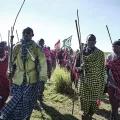
The Ngorongoro Conservation Area stands as one of Tanzania’s crown jewels for conservation and tourism. Yet it is also the ancestral home of Maasai communities, who have long relied on its land and resources for their livestock, culture, and way of life.
CERD expressed alarm at reports that significant numbers of Maasai have been uprooted from their ancestral lands in Ngorongoro and Loliondo, all in the name of conservation and tourism.
The Committee said the reported relocations occurred without adequate and meaningful consultation and without obtaining the communities’ free, prior and informed consent.
CERD notes that cutting off access to vital social services has increased pressure on Maasai communities to abandon their ancestral homes.
“Restrictions on access to grazing areas, water sources and cultural sites, together with the reduction or deterioration in the provision of health care, education, water and other essential services in the Ngorongoro Conservation Area, have adversely affected their enjoyment of economic, social and cultural rights and pressured them to relocate from their ancestral lands,” the Committee said.
CERD also pointed to troubling allegations of arbitrary arrests, detentions, reprisals, and harassment targeting Maasai people who resist evictions and relocations.
The Committee voiced further concern over reports of racial profiling and the excessive use of force by law enforcement officials.
These allegations arise as Tanzania positions conservation and nature-based tourism as pillars of its investment strategy.
The country’s investment portfolio features projects aimed at building tourism infrastructure and unlocking new conservation opportunities.
CERD said Tanzania must ensure that conservation, tourism, infrastructure and development initiatives affecting Maasai communities are undertaken only after meaningful consultation, with a view to obtaining their free, prior and informed consent.
The Committee also called for recognition and protection of the collective rights of Maasai Indigenous Peoples to own, develop, control and use lands, territories and resources traditionally occupied or used by them.
The UN’s intervention highlights the lack of transparency in government decisions affecting Ngorongoro.
In February 2025, Tanzania established two presidential commissions to examine land use, relocation, and conservation policies in the Ngorongoro Conservation Area. CERD said the commissions’ findings and recommendations have not been made public.
The Committee has called on Tanzania to publish the findings without delay and ensure that Maasai Indigenous Peoples meaningfully participate in decisions concerning the future of the conservation area.
This is far from the first international warning about the treatment of Maasai communities in Ngorongoro and Loliondo. Despite CERD raising concerns as early as 2016 and again in 2023, the same issues remain at the heart of the Committee’s latest intervention.
CERD’s concerns are not new. In April 2023, the Committee warned that plans to expand safari tourism and trophy hunting areas in northern Tanzania could force nearly 150,000 Maasai from their traditional lands in Ngorongoro and Loliondo. It also raised concerns over the lack of consultation, shrinking grazing areas, reduced access to water and the withdrawal of basic social services.
“These plans have been designed without consultation and without the free,
prior and informed consent of the affected Maasai communities and basic social services have been suspended or cut off in these areas allegedly as a way to coerce the Maasai to leave,” part of the April 2023 letter said.
In April 2026, UNESCO also said forced evictions were unacceptable and that any voluntary resettlement in the Ngorongoro Conservation Area should respect human rights and be based on free, prior and informed consent.