By Witness Radio team.
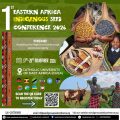
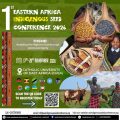
Nairobi, Kenya: Farmers, indigenous communities, researchers, policymakers, and seed-saving practitioners from across Africa and beyond have gathered in Nairobi for the first Eastern African Indigenous Seed Conference, calling for greater recognition and support for farmer-managed seed systems.
The four-day conference, which opened today, November 17, at the Catholic University of Eastern Africa, seeks to strengthen indigenous seed systems, promote seed sovereignty and create space for farmers to influence policies governing seeds and agriculture.
Organized by Seed Savers Network (SSN) and its partners, the gathering comes amid growing concerns over the future of indigenous seeds, local livestock breeds and traditional knowledge systems that communities have relied on for generations.
Opening the conference, Mr. Daniel Wanjama, the Executive Director of Seed Savers Network, said farmers remain central to the region’s seed systems, despite receiving limited recognition in agricultural policies and government support programs.
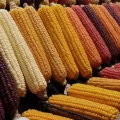
He said an estimated 80 per cent of the seeds used in the region come from farmers themselves, a contribution he said should be reflected in agricultural policies and investment priorities.
“80 per cent. It means if we cannot have indigenous seeds as we use, it means we cannot have food security. We cannot feed ourselves unless we have indigenous seeds,” Wanjama said.
He argued that governments and development organizations have concentrated much of their attention on the commercial seed sector while overlooking the contribution of farmers who save, exchange and replant seeds within their communities.
According to Wanjama, this has created a disconnect between agricultural policies, government support and the actual practices through which farmers access planting materials.
He also warned that agricultural biodiversity in Africa faces significant threats, arguing that protecting farmer-managed seed systems is important for maintaining the diversity needed to respond to climate change.
“We are facing climate change, and the only way we can survive climate change is through this agricultural biodiversity. Therefore, we cannot afford to lose it because if we lose it, we also lose our life,” he said.
Mr. Wanjama said the conference should provide an opportunity for farmers and organizations across the continent to strengthen their cooperation, exchange knowledge and jointly advocate for policies that recognize indigenous seeds.
He also called for greater farmer participation in policy discussions, saying previous conferences and discussions have not adequately reflected farmers’ experiences and concerns.
He said organizers wanted farmers to form a significant part of the conference and take an active role in discussions, rather than simply attend sessions led by experts and policymakers.
The conference is also taking place against the backdrop of ongoing debates over seed laws and farmers’ rights in Kenya, and East Africa as a region.
Mr. Francis Ngiri, a Kenyan farmer attending the conference, said restrictions on the sharing, exchange and sale of indigenous seeds remain a major concern for smallholder farmers.
In 2025, Ngiri and other farmers won a court case challenging provisions of Kenya’s 2012 Seed and Plant Varieties Act, which restrict farmers from saving, exchanging and sharing seeds. However, the government announced plans to appeal the ruling, arguing that it weakened key provisions of the law.
“We have formally launched an appeal in the Court of Appeal to contest this judgment and restore the legal backing required for strict enforcement of seed quality,” Simon Maina, head of Seed Certification and Plant Variety Protection at the Kenya Plant Health Inspectorate Service (KEPHIS), told The Star in an article published on November 4.
But Ngiri hopes the conference will help strengthen farmers’ efforts to defend their seed-saving practices and push for greater government recognition of community seed banks.
“The government does not support indigenous seed saving. They don’t recognize the seed banks, and we want the conference to tackle that,” he said.
He argued that farmers should be allowed to sell seeds they have saved, provided they receive appropriate training in seed selection and quality management.
“Unless farmers can sell seeds, that is the only time farmers will have seed access. And when they have seed access, they can now have biodiversity. From that, we can have food security,” he said.
Beyond the policy discussions, the conference is also bringing together organizations working on agricultural biodiversity, landscape restoration, agroecology and community-led seed conservation.
Mrs. Catherine Muturi, the Kenya Country Director at Landscape Alliance and Regional Convener for East Africa, said farmers and local communities play an important role in conserving biodiversity, maintaining traditional knowledge and ensuring access to planting materials.
She said efforts to restore landscapes should also recognize the importance of native tree seeds and the communities that conserve them.
“Farmers and local communities are not just beneficiaries of restoration efforts. They are important actors in conserving, managing, and supplying tree seed sources. Their knowledge, participation and leadership must be recognised and strengthened,” Muturi said.